
Why Your Birth Story Still Haunts You and How Birth Trauma Therapy Can Help You Find Peace
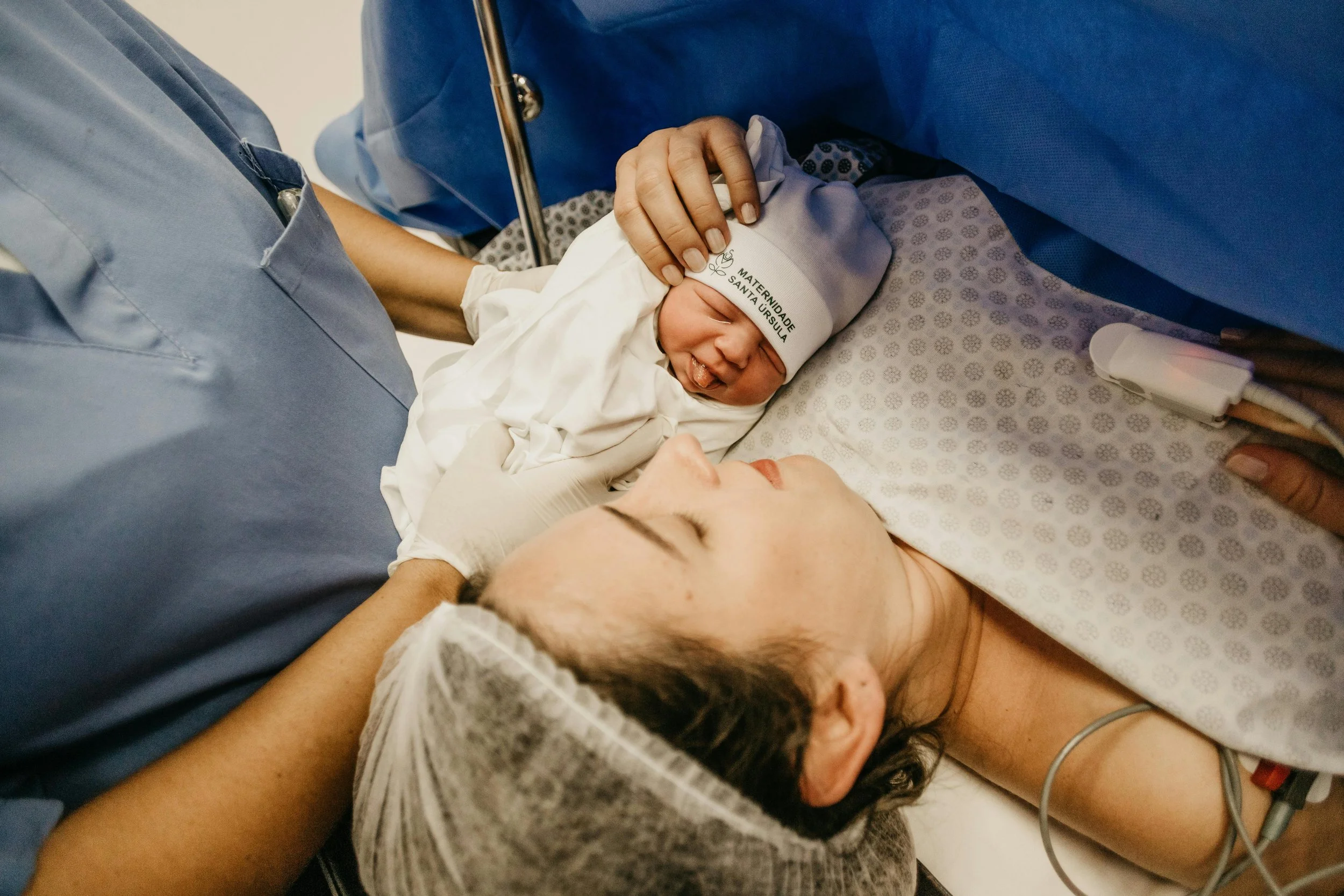
The moment should have been one of pure joy. You waited nine months to meet your baby, imagined that first cry, that first embrace. But somewhere between the delivery room and your first nights at home, something shifted. Now, months or even years later, you find yourself avoiding conversations about childbirth. Your heart races when you drive past the hospital. You lie awake replaying those hours in vivid, unwanted detail, and you cannot understand why you cannot simply move on.
If this resonates with you, you are not alone. Childbirth-related trauma affects millions of parents each year, and for many, the emotional wounds linger long after physical recovery. At Thriving California, our doctoral-level clinicians in Napa specialize in helping parents process and heal from traumatic birth experiences through a specialized, time-limited approach that addresses both the emotional and physical dimensions of birth trauma.
What Is Birth Trauma and Why Does It Stay With You?
Birth trauma occurs when a parent experiences their childbirth as frightening, overwhelming, or deeply distressing. Unlike what many people assume, birth trauma is not limited to medical emergencies or near-death experiences. Many parents develop trauma responses after births that others might consider "successful" or "normal" simply because the baby arrived safely.
Research indicates that approximately four to six percent of women develop symptoms consistent with post-traumatic stress disorder following childbirth. However, this number represents only those who meet full diagnostic criteria. Countless more experience significant distress that falls just below this threshold but still profoundly affects their daily lives, relationships, and sense of self as a parent.
What makes birth trauma particularly challenging is the disconnect between external expectations and internal reality. Society celebrates childbirth as a joyous occasion, leaving many parents feeling confused and isolated when their experience was anything but celebratory. This disconnect can make it difficult to acknowledge that something genuinely difficult happened and even harder to seek the support needed to heal.
The Many Faces of Birth Trauma: Beyond Emergency Situations
When most people think of traumatic births, they imagine dramatic medical crises such as emergency cesarean sections, hemorrhaging, or babies requiring intensive care. While these situations certainly can cause trauma, the reality is far more nuanced.
Birth trauma can develop from unexpected medical interventions that felt rushed or unexplained, such as forceps deliveries, vacuum extractions, or cesarean sections performed without adequate time to process what was happening. A birth experience can become traumatic when a parent feels unheard, dismissed, or powerless during labor. This might happen when requests are ignored, when pain management is inadequate, or when decisions are made without meaningful consent. Prolonged and exhausting labor that depletes physical and emotional reserves can leave lasting psychological imprints. Complications affecting the newborn, including NICU stays, feeding difficulties, or health concerns, can compound trauma from the birth itself. Even births that proceed without medical complication can become traumatic when the experience feels overwhelming, frightening, or fundamentally different from what was expected or hoped for.
The psychological impact of birth trauma stems not from what objectively happened but from how the birthing parent experienced those events. Two parents can undergo nearly identical deliveries and emerge with vastly different emotional outcomes based on factors like their history, their support system during labor, their relationship with their healthcare providers, and the meaning they attach to the experience.
Recognizing the Signs: How Birth Trauma Shows Up in Daily Life
Birth trauma does not always announce itself with obvious symptoms. Many parents live with its effects for months or years without connecting their struggles back to their birth experience. Understanding how trauma manifests can be the first step toward recognizing that what you are experiencing has a name and can be addressed.
Intrusive Memories and Flashbacks
You may find yourself suddenly transported back to the delivery room, experiencing vivid recollections complete with the sounds, smells, and physical sensations of that time. These intrusive memories can arrive without warning. They might be triggered by a passing ambulance, a medical show on television, or sometimes nothing identifiable at all. Some parents describe feeling as though they are reliving the birth in real-time, complete with racing heart, sweating, and overwhelming fear.
Avoidance Behaviors
To protect yourself from these painful memories, you may have unconsciously developed patterns of avoidance. You might change the subject when friends discuss their birth stories, avoid driving near the hospital where you delivered, or feel unable to look at photos from the day your child was born. Some parents avoid medical appointments altogether, making routine healthcare feel impossible. Others find themselves declining invitations to baby showers or avoiding pregnant friends because proximity to anything birth-related feels threatening.
Emotional Numbness and Disconnection
Trauma can create a sense of emotional flatness, a feeling of going through the motions of parenting without fully experiencing the joy you expected. You might feel distant from your baby, your partner, or yourself. This numbness is often the mind's attempt to protect you from overwhelming feelings, but it can leave you feeling like you are watching your own life from behind glass.
Hyperarousal and Anxiety
Your nervous system may remain on high alert, constantly scanning for danger even when none exists. This might show up as difficulty sleeping even when the baby sleeps, irritability that feels out of proportion to circumstances, an exaggerated startle response, or difficulty concentrating on everyday tasks. You might find yourself obsessively checking on your sleeping baby or feeling unable to relax even when everything is objectively fine.
Guilt and Shame
Many parents struggling with birth trauma carry intense guilt. They feel guilt for not having the birth they planned, guilt for struggling when they "should" be grateful for a healthy baby, and guilt for any distance they feel from their child. This shame can become its own barrier to healing, making it difficult to talk about what you are experiencing or to seek support.
Physical Symptoms
The body holds trauma, and many parents experience physical manifestations of their psychological distress. This might include tension headaches, digestive issues, difficulty with physical intimacy, or a general sense of being uncomfortable in your own body. Some parents find that scars from cesarean sections or episiotomies carry emotional weight far beyond their physical presence.
Why "Just Move On" Does Not Work: Understanding How Trauma Gets Stuck
Well-meaning friends and family often encourage parents struggling after childbirth to focus on the positive. After all, the baby is healthy, and that is what matters. While this advice comes from a place of care, it fundamentally misunderstands how trauma works and why simply "getting over it" is not possible through willpower alone.
When we experience something traumatic, our brain and body respond in ways designed to protect us. The fight-flight-freeze response activates, flooding us with stress hormones and prioritizing survival over processing. In the immediate aftermath, this makes sense. You needed to survive delivery and then care for a newborn. There was no time to fully process what happened.
The problem arises when this survival response does not fully complete. The trauma becomes stored in the body and brain in fragmented, unprocessed form. This is why trauma memories feel different from regular memories. They do not feel like the past but intrude on the present with full sensory intensity. Your nervous system continues responding as though the threat is ongoing, even when intellectually you know the birth is over.
This explains why traditional approaches like talking through the experience, practicing positive thinking, or simply waiting for time to heal often fall short for birth trauma. The trauma is not stored in the logical, language-based parts of the brain that respond to reasoning. It is held in deeper structures that require a different kind of intervention to access and resolve.
A Different Path to Healing: Birth Trauma Therapy at Thriving California
At Thriving California, we understand that healing from birth trauma requires an approach that addresses not just the mind but also the body where trauma is stored. Our doctoral-level clinicians in Napa have developed a specialized, time-limited treatment protocol designed specifically for parents recovering from traumatic birth experiences.
Our approach integrates somatic resourcing and bilateral stimulation techniques. These are methods that work with the body's natural healing processes to help complete the stress responses that became stuck during your birth experience. Unlike traditional talk therapy alone, this approach recognizes that birth trauma lives in physical sensations and body memories, not just thoughts and narratives.
The foundation of our birth trauma treatment involves carefully moving through your complete birth story, beginning with conception and pregnancy, progressing through the birthing experience itself, and continuing into the postpartum period. This chronological approach ensures that all aspects of the traumatic experience receive attention and that healing happens in a comprehensive, integrated way.
What Happens During Birth Trauma Treatment
Your healing journey begins with a free 20-minute consultation where we get to know your situation and determine whether our approach aligns with your needs. This initial conversation helps establish whether our specialized birth trauma treatment is the right fit for you. If not, we provide referrals to other resources that may better serve your situation.
Once you decide to begin treatment, we focus on creating a strong therapeutic relationship where you feel safe exploring the vulnerable territory of your birth experience. Our clinicians understand that revisiting traumatic memories requires tremendous courage, and we move at a pace that honors your readiness.
The core of our treatment involves walking through your birth story while using somatic resourcing and bilateral stimulation techniques. These methods work by gently activating the body's natural processing capabilities while preventing overwhelm. Somatic resourcing helps you access internal resources for stability and grounding, while bilateral stimulation engages both hemispheres of the brain to facilitate the processing of traumatic material in a way that talk therapy alone cannot achieve.
Throughout treatment, we use a simple scale to track your progress by rating how triggering your birth story feels on a scale of one to ten. Parents typically begin treatment with high scores, finding their birth memories intensely distressing. As we work through the narrative together, these scores decrease. By the end of treatment, most parents report their birth story feeling like a one or two on the scale. The memory is no longer triggering but simply a part of their history that they can recall without emotional flooding.
What Makes Our Approach Different
Several aspects distinguish our birth trauma treatment from general therapy approaches.
Time-Limited Structure
We have found that birth trauma responds well to focused, time-limited treatment. Most individual clients complete their work within three to six sessions, while couples working through shared birth trauma typically require six to twelve sessions. This does not mean we rush the process. Rather, our targeted approach addresses birth trauma specifically and efficiently, without requiring open-ended treatment commitments.
Specialized Focus
Our clinicians have developed expertise specifically in birth trauma. We understand the unique dynamics of perinatal trauma, including the complex interplay between physical recovery, hormonal changes, new parent demands, and psychological healing. This specialized knowledge informs every aspect of treatment.
Body-Based Methods
Our use of somatic resourcing and bilateral stimulation recognizes that birth trauma is a physical experience that requires physical intervention. These techniques help access and process traumatic material stored in the body, leading to deeper and more lasting resolution than cognitive approaches alone can achieve.
Relationship-Centered Care
While we use specific techniques, we never lose sight of the fundamental importance of the therapeutic relationship. Healing from trauma happens in connection with another person who can provide safety, attunement, and support. Our doctoral-level clinicians bring not just technical expertise but genuine warmth and presence to every session.
Birth Trauma Treatment for Couples
Birth trauma does not happen in isolation. It affects entire family systems. Partners who witnessed traumatic deliveries often carry their own trauma responses, including feelings of helplessness, guilt, or fear. The birth experience can create ruptures in the couple relationship, leaving partners struggling to understand each other's experience or feeling isolated in their individual suffering.
At Thriving California, we offer specialized couples treatment for shared birth trauma. This approach allows both partners to process their experiences while also addressing the relational dynamics that may have developed since the traumatic birth. Couples work can help restore connection that may have been disrupted, facilitate mutual understanding of each partner's experience, and strengthen the relationship foundation for parenting together.
Our couples treatment for birth trauma typically spans six to twelve sessions and follows the same narrative-based approach. We move through the conception, pregnancy, birth, and postpartum timeline together. This shared processing allows couples to integrate their experiences and emerge with a cohesive understanding of what happened and how it affected each of them.
When to Seek Help for Birth Trauma
Many parents wonder whether their experience "counts" as trauma or whether they should seek professional support. If you recognize yourself in any of the symptoms described earlier, such as intrusive memories, avoidance, emotional numbness, hyperarousal, persistent guilt, or physical symptoms, you may benefit from birth trauma treatment.
Other signs that it may be time to seek support include feeling disconnected from your baby or struggling with bonding, avoiding medical care for yourself or your child due to anxiety, experiencing relationship strain with your partner related to the birth experience, feeling unable to discuss your birth or becoming highly distressed when the topic arises, considering or dreading the possibility of future pregnancies due to fear of another traumatic birth, or noticing that months or years have passed since your delivery but the emotional intensity of your experience has not diminished.
There is no minimum threshold of suffering required to deserve support. If your birth experience continues to cause distress, that is reason enough to explore whether treatment could help.
Finding Peace: What Healing Looks Like
Recovery from birth trauma does not mean forgetting what happened or pretending it did not affect you. Instead, healing involves transforming your relationship with the memory so that it no longer dominates your present experience.
Parents who complete birth trauma treatment often describe being able to think about or discuss their birth without emotional flooding. They experience feeling more present and connected with their children. They notice reduction or elimination of physical symptoms like anxiety, sleep disturbance, or tension. They reclaim the ability to engage with pregnancy and birth topics without avoidance. They feel a restored sense of capability and confidence as a parent. They experience improved intimacy and connection in their partner relationship.
Perhaps most importantly, healing from birth trauma means reclaiming your own narrative. Instead of the trauma telling your story, you become the author. You are able to acknowledge what happened, honor its impact, and continue forward without being controlled by the past.
Taking the First Step
If you are a parent in the Napa, Lafayette, or Thousand Oaks areas, or anywhere in California through telehealth, and you are struggling with the lasting effects of a difficult birth experience, we invite you to take the first step toward healing.
Thriving California offers a free 20-minute consultation to discuss your situation and explore whether our specialized birth trauma treatment might be right for you. Our doctoral-level clinicians understand the courage it takes to address this pain, and we are committed to providing compassionate, expert care in a safe therapeutic environment.
You do not have to carry this weight indefinitely. With the right support, peace after birth trauma is possible. Contact our Napa office today to schedule your consultation and begin your journey toward healing.
Frequently Asked Questions About Birth Trauma Therapy
How do I know if I have birth trauma or just normal postpartum adjustment difficulties?
While some degree of emotional adjustment is normal after childbirth, birth trauma is characterized by persistent symptoms that do not improve with time. These symptoms include intrusive memories, avoidance behaviors, emotional numbing, and hyperarousal. If you continue to feel significantly distressed by your birth experience months after delivery, or if your symptoms are interfering with your daily functioning, relationships, or ability to care for yourself and your baby, birth trauma treatment may be appropriate.
Will I have to relive my traumatic birth experience during treatment?
Our approach involves working through your birth narrative, but we do so in a carefully paced, supported way using somatic resourcing and bilateral stimulation techniques. These methods help prevent overwhelm while allowing processing to occur. You will not be asked to simply relive your trauma. Instead, we work together to help your nervous system complete the stress responses that became stuck, allowing the memory to resolve.
How long does birth trauma treatment take?
Our time-limited approach typically spans three to six sessions for individual treatment and six to twelve sessions for couples. The focused nature of our work allows for meaningful progress within this timeframe, though we always prioritize your needs over arbitrary timelines.
Can my partner participate in treatment even if they were not the one who gave birth?
Absolutely. Partners often carry their own trauma from witnessing difficult deliveries, and the birth experience affects the couple relationship as a whole. Our couples treatment addresses both partners' experiences while also strengthening the relationship foundation.
What if my traumatic birth happened years ago?
Birth trauma does not have an expiration date. Parents seek treatment for births that happened recently or many years in the past. If the experience continues to affect you, treatment can help regardless of how much time has passed.
Is birth trauma treatment available via telehealth?
Yes. We offer telehealth sessions throughout California, making our specialized birth trauma treatment accessible even if you cannot travel to our Napa location. Please note that our specialized birth trauma treatment using somatic resourcing and bilateral stimulation is available at our Napa office, while our Lafayette and Thousand Oaks service areas focus on other aspects of parent and couples therapy.